Rabies continues to pose a significant public health risk in the Philippines, with annual reports of human fatalities. In response, the government has implemented Republic Act 9482, known as the Anti-Rabies Act of 2007, which sets forth nationwide strategies to prevent and manage rabies through responsible pet ownership, vaccination, registration, and public education.
This article outlines the essential provisions of RA 9482, the obligations of pet owners, penalties for non-compliance, and real-world examples that demonstrate the law’s enforcement.
Overview of RA 9482
Republic Act 9482 is designed to:
- Eradicate human and animal rabies via organized vaccination initiatives.
- Encourage responsible pet ownership by mandating registration and routine vaccinations.
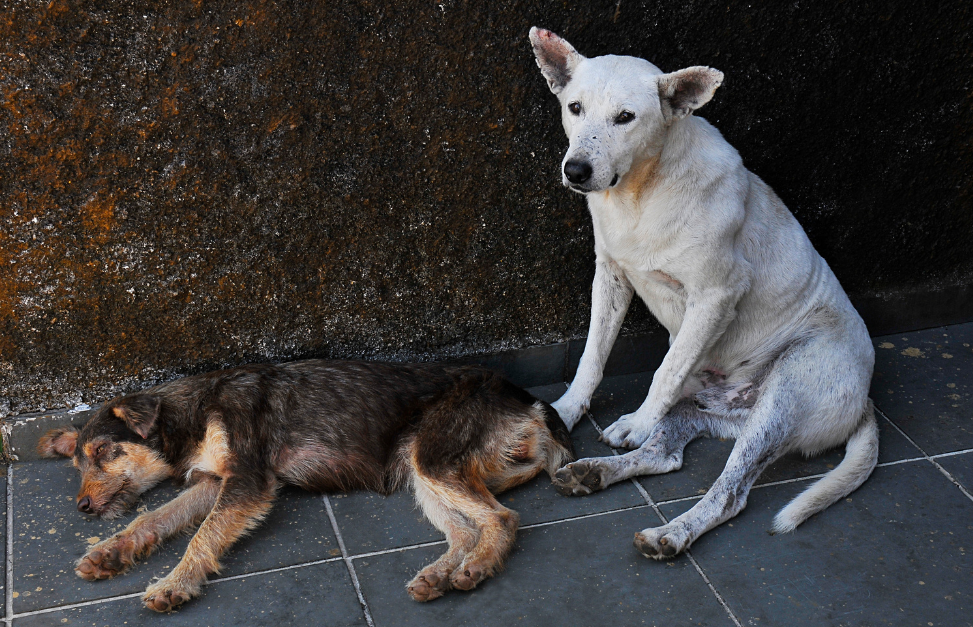
- Decrease the population of stray dogs through humane approaches.
- Enhance collaboration among national agencies, local government units (LGUs), and communities.
- Impose penalties on negligent pet owners or those engaged in illegal dog trading or slaughter.
The legislation is applicable to all dogs in the Philippines, whether owned or stray, and specifies stringent regulations that dog owners must adhere to.
Key Provisions of RA 9482
1. Compulsory Dog Registration & Vaccination
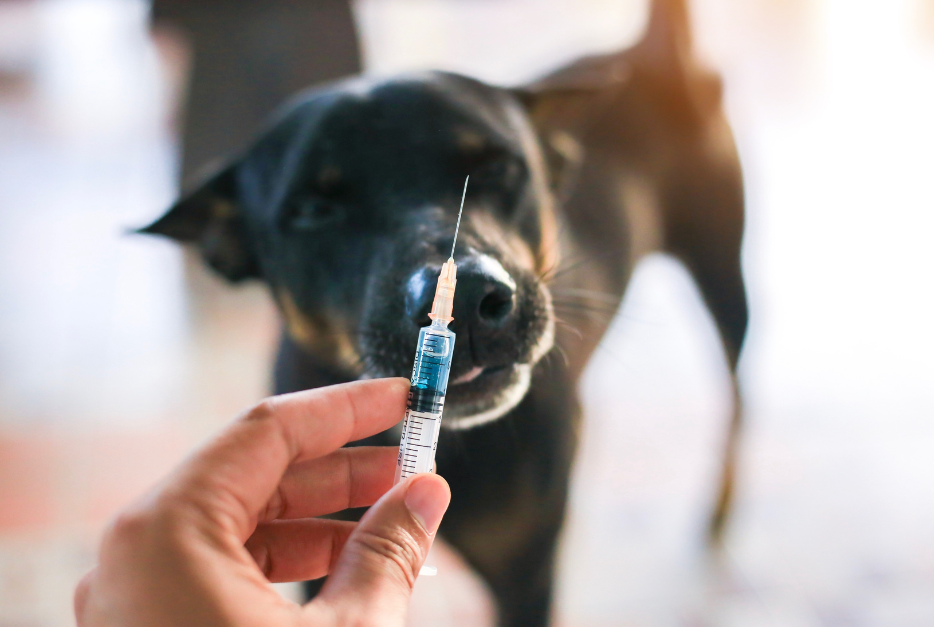
All dogs are required to be registered with their respective LGU and vaccinated against rabies on an annual basis.
Pet owners are obligated to maintain a vaccination record (e.g., vaccination card).
Neglecting to vaccinate a dog can result in fines ranging from ₱2,000 to ₱25,000, depending on the violation’s severity.
2. Leash Law and Proper Control in Public Areas
Dogs must be:
✔ Leashed in public spaces
✔ Supervised at all times
✔ Confined within secure properties or kennels
Allowing a dog to wander freely is subject to penalties.
3. Responsibilities Following a Bite Incident
In the event of a dog bite, the owner is required to:
- Immediately take the dog to a veterinarian for observation
- Cover the medical costs of the victim
- Report the incident to the barangay
- Ensure the dog undergoes a mandatory 14-day quarantine
Failure to comply may lead to criminal or civil liability.
4. Prohibition of Dog Meat Trade
The legislation explicitly forbids:
🚫 The slaughtering of dogs for consumption
🚫 The sale or transportation of dog meat
🚫 The maintenance of dogs for the commercial dog meat industry
Offenders may incur a prison sentence ranging from 1 to 4 years and fines reaching up to ₱500,000.
5. Control of Stray Dog Population — A Humane Approach
RA 9482 requires Local Government Units (LGUs) to:
- Carry out humane capture of stray dogs
- Establish dog shelters
- Encourage spaying and neutering programs
- Implement educational campaigns for the public
Cruelty towards animals remains punishable under the Animal Welfare Act, even if conducted under the guise of rabies control.
Noteworthy Case: The Killua Incident (2024)
A widely reported case involved Killua, a 3-year-old golden retriever from Bato, Camarines Sur. CCTV footage captured Killua escaping from its home and purportedly attacking a resident, who subsequently killed the dog.
After an investigation:
- The accused was charged with animal cruelty under RA 8485.
- Prosecutors did not pursue charges under RA 9482 (Anti-Rabies Act) concerning alleged dog meat trading due to a lack of sufficient evidence.
- Prosecutors highlighted that appropriate and lawful procedures should have been adhered to, such as notifying the barangay about the incident.
Importance of RA 9482
Rabies is nearly 100% fatal — yet entirely preventable.
This legislation:
- Protects human lives
- Safeguards pets and responsible pet owners
- Ensures humane management of strays
- Enhances community safety
- Reinforces legal accountability
When properly enforced, RA 9482 fosters safer, healthier, and more compassionate communities.